
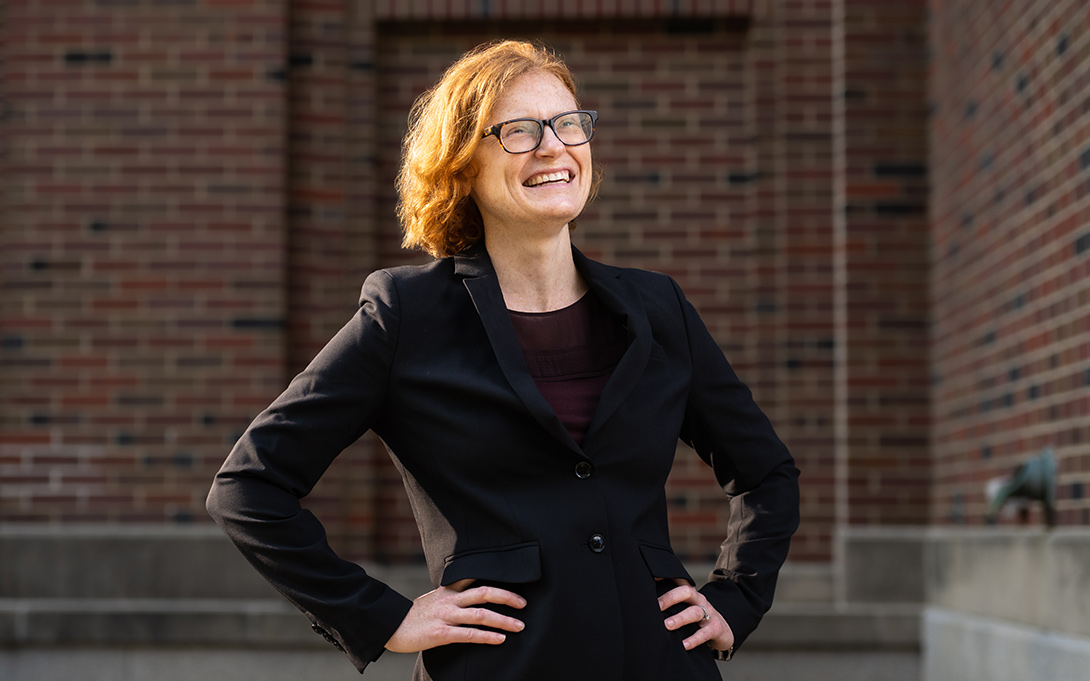
Christina Weiland, a professor of education and social policy at the Marsal Family School of Education at the University of Michigan, said a high-quality preschool education does much more than just prepare a child for elementary school.
She said it puts a child on a path to higher earnings in adulthood, higher rates of college attendance, higher rates of high school graduation and even better health.
But what exactly does a high-quality preschool education mean?
"You want to make sure that you have a teacher who is well-qualified, and generally we encourage a bachelor's degree minimum," Weiland said. "Along with specialized training, specifically in early childhood. The teacher also needs professional learning on the job, ideally in-classroom coaching from an expert mentor a couple times a month. The kind of curriculum used matters too."
In addition, Weiland said a high-quality education also has a ratio of one teacher for every 10 students, appropriate time for playing outside, access to healthy and filling meals, and special support for children affected by developmental issues.
She said the 2,500 slots next year will "make a dent," and she's excited to see what the future holds when it comes to expanding high-quality preschool education in Washington.
"I think the need is going to continue to increase," Weiland said. "In Washington state, there are a lot of kids who are kind of falling in the gap, meaning they don't qualify for ECEAP or for Head Start previous to the Ballmer investment, but their parents didn't actually have enough money to afford preschool. There are a lot of kids from low-income families and even middle-income families who are left out of those programs, and then they don't have the same kind of opportunity that their peers have."
More news from the Ford School